
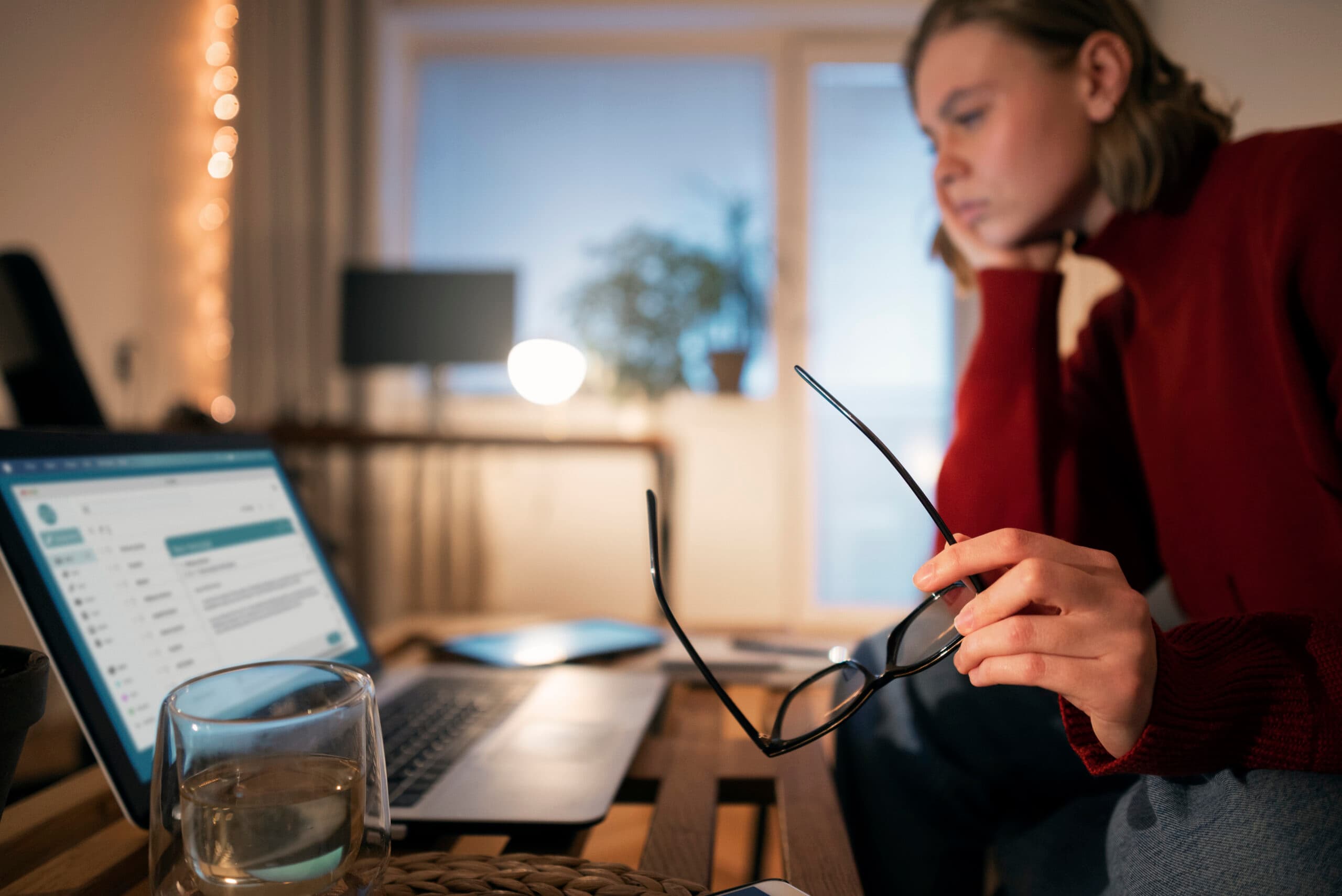

The truth is, many of us feel a little defeated by our screens. We spend eight hours a day in front of a monitor, then switch to a phone, only to finish the day with that familiar cocktail of gritty eyes, neck tension, and a dull, throbbing headache. That cluster of symptoms? That’s what eye care professionals call Computer Vision Syndrome (CVS).
But here’s the good news: feeling strained doesn’t have to be a permanent state. Finding the most effective way to reduce computer vision syndrome means accepting that a quick fix isn’t enough. It requires us to move past passive remedies, like simply remembering to take a break, and adopt a layered strategy: optimizing our environment, building high-impact habits, and, crucially, strengthening our visual stamina from the inside out. Let’s look at the actionable steps that genuinely make a difference.
1. Beyond the Basics: Mastering High-Impact Daily Habits
If we’re serious about protecting our eyes, we have to look past the occasional stretch and focus on the tiny, high-frequency actions that prevent strain before it starts.
A. The Conscious Blinking Protocol (The Hydration Secret)
Here is a shocking fact: when we’re hyper-focused on digital details, our blink rate can plummet by half. This lack of lubrication is the single biggest cause of that burning, gritty feeling we experience. No amount of tear drops can fix a consistent lack of blinking!
- Practice Full Blinks: The goal is intentionality. Don’t just flutter. Once every minute or so, gently and fully close your eyelids, ensuring the tear film washes completely over the surface of your eye. Think of it as a reset button for your eyes.
- The Water Connection: Remember, the quality of your tears depends on your overall hydration. Sipping water regularly isn’t just good for your body; it’s a vital, direct support system for tear production.
B. The Focused 20-20-20 Rule
This rule isn’t old-fashioned; it’s non-negotiable. Our ciliary muscle the one that controls our focus gets fatigued quickly from being locked onto a fixed distance.
- Enforce It: Get an app or set a timer. When it goes off, don’t just shift your eyes; physically move back, look away from the screen completely, and focus on an object 20 feet away for a minimum of 20 seconds.
- Avoid the Trap: The biggest mistake? Using your 20-20-20 break to check social media on your phone. You’re just swapping one near-focus task for another! A real break means letting your eyes look far away and relax.
Need More Than a Break? If you are religious about the 20-20-20 rule and still find yourself suffering from pain and blurriness, it’s a strong sign that the problem isn’t your habits; it’s your visual mechanics. Your eye muscles might simply lack the natural stamina required for the job. For a deeper look at why these habits alone won’t solve underlying issues like binocular vision deficits, you must read: Still Not Getting Relief? Why the 20-20-20 Rule and Eye Drops May Not Solve Deeper CVS Problems.
2. Setting Up for Success: The Ergonomics Audit
Think of your workstation as a shield. If it’s set up poorly, you’re exposing yourself to unnecessary physical stress that runs from your eyeballs all the way down to your shoulders.
The Downward Gaze is Key
- Positioning: Set your monitor’s height so the top of the screen is level with or slightly below your eye line.
- Why It Works: Looking slightly down is the most natural position for your eyes. It also causes your eyelids to cover more of the eye surface, which, as we learned, significantly slows down tear evaporation.
Crushing Glare and Harsh Lighting
Glare is scattered light that forces your visual system to work overtime, trying to distinguish contrast through reflection.
- Avoid the Window Trap: Never sit facing a window or with a bright window directly behind your monitor. Position your desk so the windows are off to the side.
- Balance the Room: Match your screen brightness to the brightness of the wall behind it. If your monitor glows like a beacon in a dimly lit room, the massive contrast change every time you look away will fatigue your eyes quickly.
3. The Ultimate Fix: Strengthening Your Visual System
If you’ve done everything right perfect habits, perfect desk and still feel beaten by $3, it’s time to move into the modern age of eye care. The single most effective way to achieve lasting relief from chronic strain is to stop managing the symptoms and start strengthening the underlying functional deficits.
The issue often isn’t vision clarity ($20/20$); it’s visual stamina, the endurance of the tiny muscles that coordinate your two eyes and sustain focus.
Training Eyes for the Digital Marathon
Chronic eye strain is essentially a lack of physical fitness in your visual system. You wouldn’t expect to run a marathon without training; yet, we ask our eyes to run a digital marathon every day without any targeted strength building.
The solution lies in neuro-adaptive vision therapy, typically delivered through specialized, clinically backed computer software.
- How It Works: These programs don’t just give you exercises; they use adaptive technology to precisely stress the focusing and eye-teaming muscles. This targeted, repetitive training increases the range, strength, and speed of your ocular muscles, making that all-day focusing task feel effortless, not exhaustive.
The Human Element of Training: Let’s face it, repetitive eye exercises sound dull. That’s why modern solutions are built to be engaging. They turn the necessary therapeutic tasks into structured, game-like activities that track your progress and keep you motivated. This high compliance is the reason these programs are so successful at creating genuine, lasting change in your visual mechanics. You can learn more about how this engaging format aids recovery in Can Gamified Vision Therapy Improve Eye Strength and Protect You From Computer Vision Syndrome
Understanding True Strength: The benefit isn’t just comfort; it’s performance. When your eyes are properly trained, your depth perception, reaction time, and ability to shift focus rapidly all improve. You’re not just treating pain; you’re upgrading your visual hardware. To understand the specific improvements and science behind this functional training, check out Can Modern Vision Therapy Software Improve Your Eye Strength and Overall Visual Performance?
Conclusion: A Multi-Layered Approach for Lasting Comfort
To achieve the most effective reduction in digital eye strain in the digital age, we must adopt a multi-layered approach: perfect your ergonomics, commit to conscious high-impact habits like purposeful blinking, and, if discomfort persists, tackle the underlying functional weaknesses with targeted vision training. By moving beyond temporary fixes and strengthening your visual system itself, you can ensure that you are not just surviving the digital age but thriving in it, without the inevitable daily crash of fatigue and eye discomfort.
Frequently Asked Questions
Q: Are blue light glasses necessary for reducing eye discomfort?
A: Blue light filtering glasses may offer subjective comfort, especially when dealing with intense screen glare or using devices late at night (where they can help regulate sleep cycles). However, they do not correct the primary physical causes of strain, such as focusing fatigue or reduced blink rate. They are a helpful accessory, not a comprehensive solution for chronic strain.
Q: How quickly can I expect relief after making ergonomic changes?
A: Relief from strain-induced neck pain and immediate visual discomfort from glare can be noticeable within the first day of properly setting up your workstation (correct screen height and lighting). Consistent results for dry eye symptoms, however, rely on establishing consistent, mindful blinking over a few weeks.
Q: Can chronic headaches truly be caused by my eyes?
A: Yes. Headaches that intensify with screen use, particularly those felt in the forehead or temples, are classic signs of strain due to overworked eye muscles (accommodative and vergence systems). If the headaches are accompanied by neck or shoulder tension, it usually points to poor posture adopted to compensate for visual difficulty.
Q: Is this type of vision therapy suitable for everyone?
A: Specialized vision therapy is generally suitable for anyone diagnosed with a functional vision problem (like convergence insufficiency) that contributes to eye discomfort. It is non-invasive and highly effective for improving stamina and coordination, but it should always be prescribed and overseen by an eye care professional specializing in vision training.