
Lazy Eye Treatment
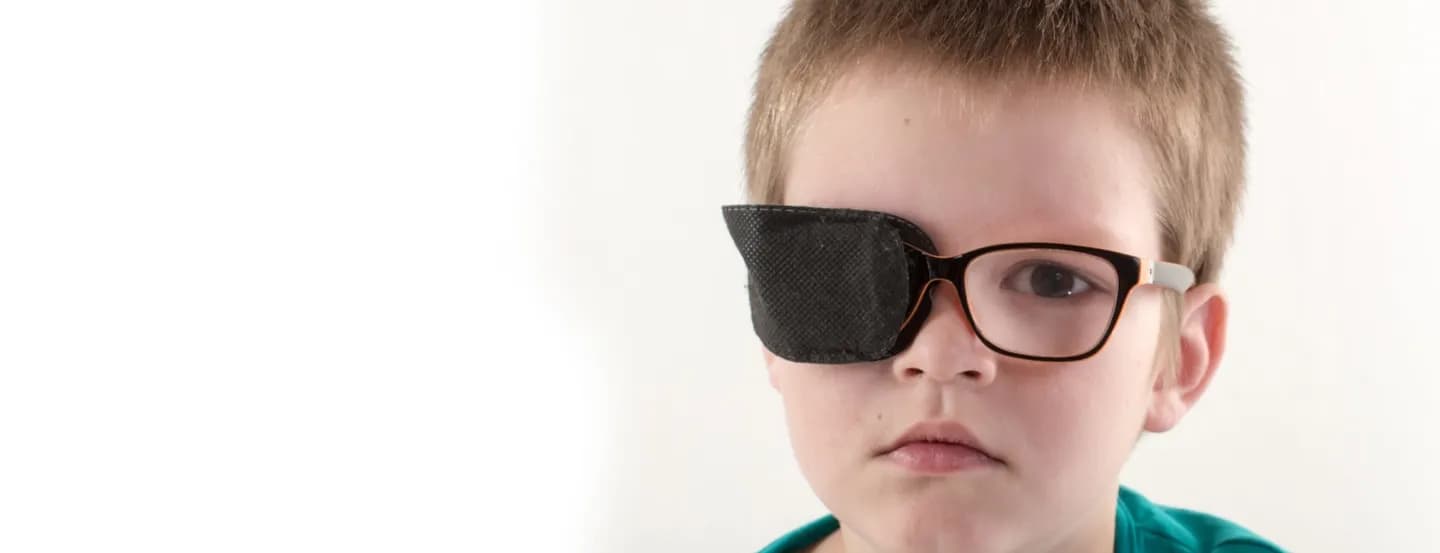
Patching For Lazy Eye Treatment can now be avoided.
Effective Eye Therapy
Overcoming Amblyopia or the Lazy Eye
Amblyopia, commonly known as ‘Lazy eye, is a vision-related disorder that affects young children. And you can get your lazy eye treatment using our amblyopia therapy software!
Condition Explained
Let's Understand Lazy Eye(Amblyopia)
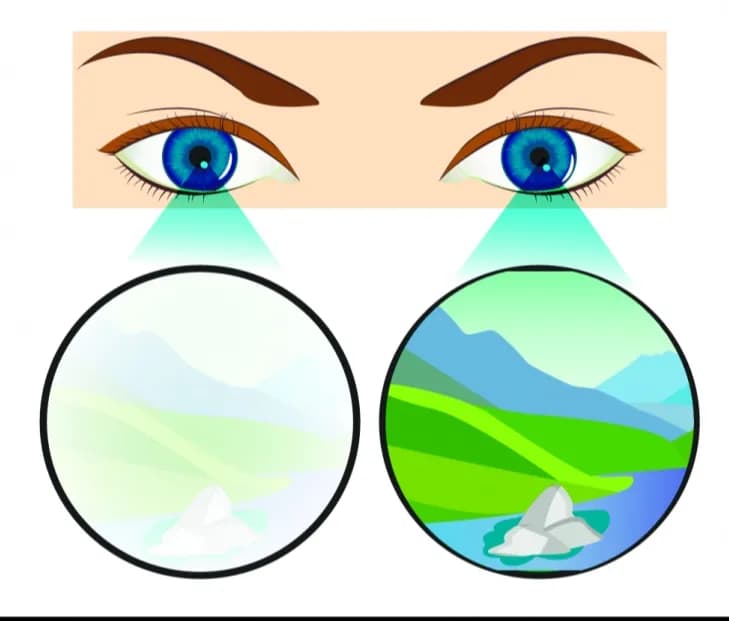
In some children, only one of the two eyes focuses properly. This is a vision problem called "lazy eyes" (the medical term for this is "amblyopia"). It is caused when the two eyes send different images to the brain. For example, it may happen if one of the eyes is more nearsighted, farsighted, or has more astigmatism (refractive error) than the other or if the child has a squint. The brain then primarily processes the information coming from the better eye, ignoring the other.
If you continue without amblyopia treatment for too long, it can continue to affect you in later years. It is important to separate myths and facts about lazy eyes to understand how it truly impacts visual development.
This highlights the importance of early detection, as addressing the issue during developmental years can yield the best possible outcomes. You can even explore how to fix a lazy eye at home with guided digital therapy.
Clear Vision Insight
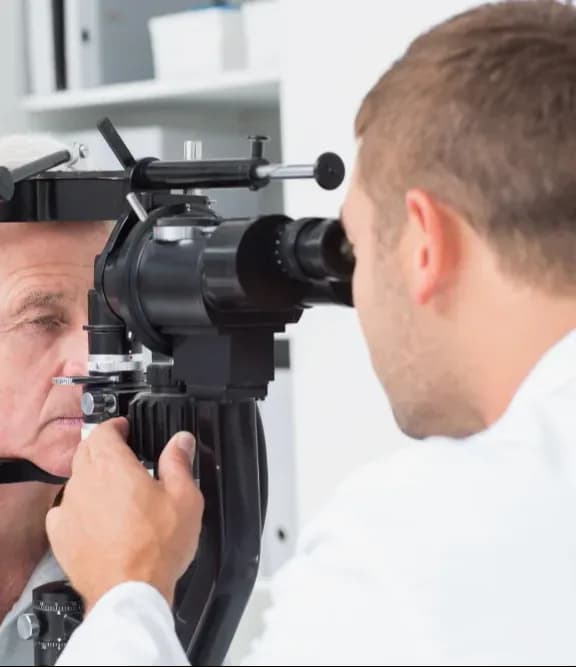
Understanding Binocular Vision
Vision develops in the first few years of life as the brain starts interpreting visual signals coming from the eyes. Usually, the brain receives signals from both (bi) eyes (ocular) simultaneously. However, if the eyes are not aligned, the brain may ignore one signal. Many parents wonder, "Does having lazy eyes affect brain function?" The answer lies in how the brain adapts to uncoordinated signals, which is why retraining the brain-eye connection is vital.


Root Vision Causes
What are the Causes of Amblyopia or Lazy Eye?
People often wonder if they need to get a surgery done for amblyopia, but the answer to that depends on what the underlying causes are. A lazy eye may be an outcome of abnormal visual experiences in early life.
The eyes, visual pathways, and brain centers are constantly developing and maturing in the first few years of life. Occasionally, when one of the eyes does not function correctly, the brain tends to rely on the visual impulses coming from the stronger eye. If you don’t start lazy eye therapy in time, the stronger eye continues to develop further, and the vision from the weaker eye can worsen. This visual imbalance is known as "amblyopia."
Certain physiological abnormalities in the eyes, as well as poor lifestyle practices during the growing years and/or later life, can cause an eye to develop poor vision and result in amblyopia. It is important to note that amblyopia can also occur at a later stage in life, but even in those scenarios, there are dedicated amblyopia treatments available as non-invasive permanent solutions. Recognizing that this is an important amblyopia lazy eye treatment concern is the first step toward seeking help.
Often, a major focus of eye therapy for lazy eye is correcting the refractive error. Refractive error in an eye simply means that the eye cannot focus correctly. Three types of refractive errors are nearsightedness, farsightedness, or astigmatism.
When left unaddressed with appropriate lazy eye therapy, refractive errors can strain the eye muscles, which then have to work harder to achieve a focused vision. In some cases, both eyes have different magnitudes of refractive errors medically known as ‘Anisometropia.’
One of the eyes may have significantly poorer vision than the other. When this happens, the brain tends to rely more on sharp visual impulses from the normal eye and ignore the visual impulses from the weaker eye.
Our eyes have a set of muscles that help with eye movements. A weakness in any eye muscle will lead to abnormalities in the movement, such as turning inwards or outwards or having uncoordinated movements.
This condition is called "squint" or "strabismus." The brain tends to ignore the hazy visual images coming from the affected eye which is non-aligned. This eye then becomes a "lazy eye,” which can then only be resolved with a precise lazy eye cure.

What are the Symptoms of Amblyopia/Lazy Eye?
Amblyopia starts in childhood and may continue to persist in adulthood as well. The amblyopia treatment in each case depends on the symptoms exhibited by the condition.
Clear Vision Insight
Symptoms in Children
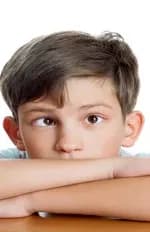
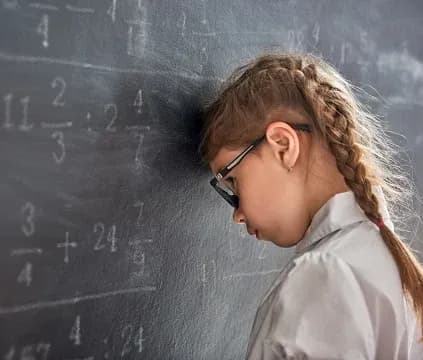
When a child develops a lazy eye, parents may observe that their child faces difficulty in focusing on objects, or they squint or shut one of the eyes to view the objects or surroundings clearly. Often, the child’s eyes may appear to turn inward and outward, and they may not work together in coordination.
Older children may also complain of poor perception of depth and an inability to view things clearly from a distance, such as writing on the classroom board. It affects their performance in school, sports, and social behavior.
When children develop such symptoms, it is important to consult a pediatric ophthalmologist as soon as possible to enable early amblyopia treatment. Understanding the 7 reasons why kids enjoy lazy eye treatment games by Bynocs can help parents see how modern therapy can be both effective and fun, encouraging better compliance.
Read more about lazy eye in kids.

Adult Warning Signs
Symptoms in Adults
If a child does not receive early treatment, the condition may persist. However, it is never too late to check out our lazy eye treatment for adults guide. There are now effective treatment options for adult lazy eye, including a cure for amblyopia in adults after 30. Read more about lazy eye in adults and find out, can lazy eye be treated in adults?
Proven Eye Care
Amblyopia Treatment
Can a lazy eye be corrected? Fortunately, new developments in lazy eye treatment have made recovery more accessible. Many people ask, "when is it too late to treat lazy eyes?" The good news is that modern science allows for improvement at almost any age.

Traditional strong eye suppressing treatments
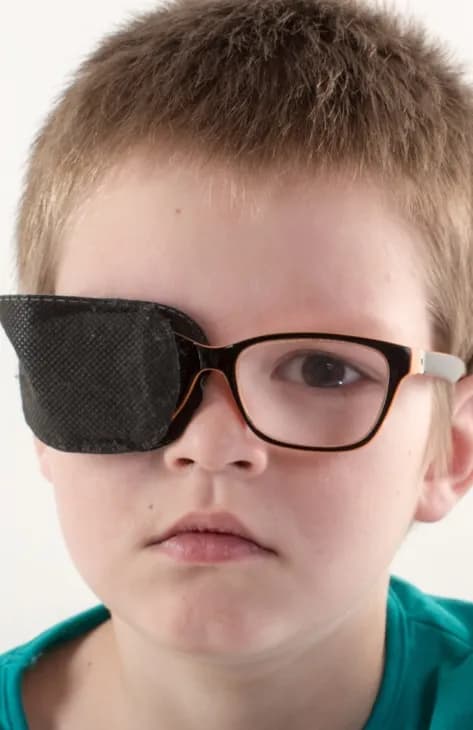
Patching
Patching is the most commonly advised and another traditional mode of treatment for lazy eyes in children. In this, a small eye patch is applied to the normal eye in an attempt to obscure its vision for a few hours daily. This way, the brain is trained to recognize the visual impulses coming from the weaker eye. Many people find this method challenging, which is why breaking the stigma around lazy eye treatment and embracing modern solutions is so important for patient confidence and success.
Eye drops are instilled into the normal eye and cause a temporary blurring of vision in the normal eye. This prompts the brain to turn towards visual impulses coming from the weaker or lazy eye. The effect is similar to patching.
However, the success of such a lazy eye cure depends on how regularly the child is applying the patches/eye drops. Most children do not like this kind of amblyopia treatment and tend to resist it. Very often, parents do not apply the patch to avoid social stigma. Compliance with patching is very low.
Patching or penalization can also lead to visual problems in the normal eye. Patching has limitations of age and does not help in correcting the adult lazy eye.
- Lesser success rates and higher incidence of residual visual deficit.
- Prolonged lazy eye treatment over many years is essential for optimal results.
- Monocular lazy eye treatment – treats one eye only.
- Chances of visual disturbances occurring in the stronger eye.
- Possibility of relapse once patching is discontinued.
- Discomfort to the eyes and the child due to eye-drop installation or patching.
- Patching may cause social anxiety in older children.
- Non-compliance to patching due to peer pressure.
- Time is of the essence, traditional lazy eye treatment options like patching is not helpful unless started at an early age (< 9years).
- Not useful to treat Lazy Eye in adults.
Surgery is recommended as an amblyopia treatment if there is a presence of a cataract or squint (strabismus).
While it is true that for treating the lazy eye, time is of the essence, and most treatments are directed towards children, there are newer lazy eye treatment technologies available that can be used to improve eyesight in adults and the elderly population as well.
“It is a myth that lazy eyes can be treated only in early childhood. Adults too can overcome their lazy eyes with recent advances in technology that help achieve perfect vision.”
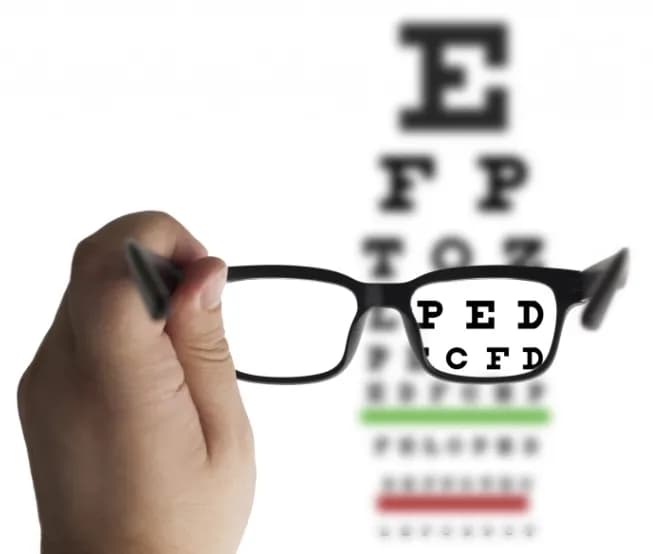
Glasses are a traditional means of amblyopia treatment opted for for conditions that are associated with refractive errors.
Gamified Eye Treatment
Modern Amblyopia Treatment Therapy Software: Dichoptic Therapy based Video Games
Eye therapy using dichoptic technology is a highly effective approach. This video game therapy amblyopia treatment engages patients more than traditional methods. When comparing game-based treatment vs traditional therapy, the modern approach often leads to faster results.
Dichoptic technology can help improve vision in children as well as adults.
The future of lazy eye treatment lies in these interactive technologies. You can also supplement your therapy with proven lazy eye exercises and a dedicated lazy eye exercises guide.
How Works?
How Does Bynocs AmblyGo Work?
-
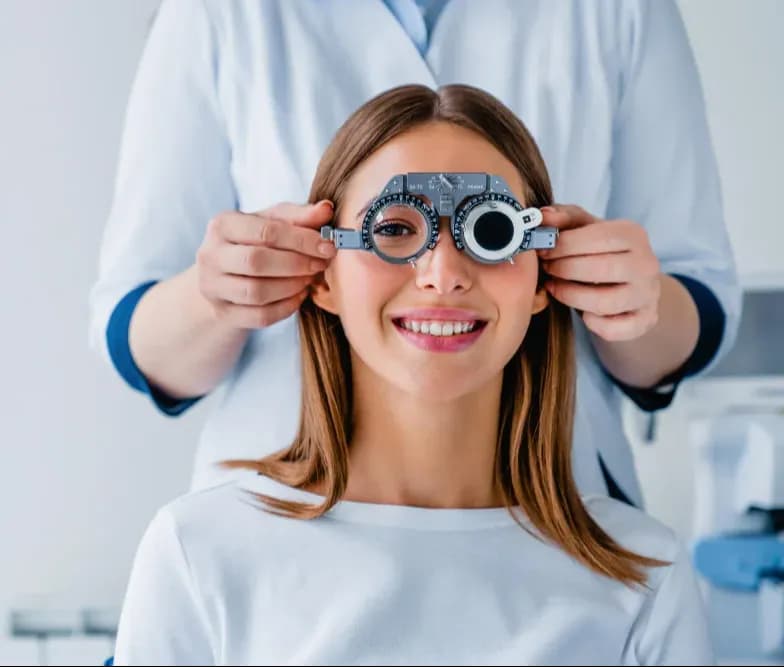
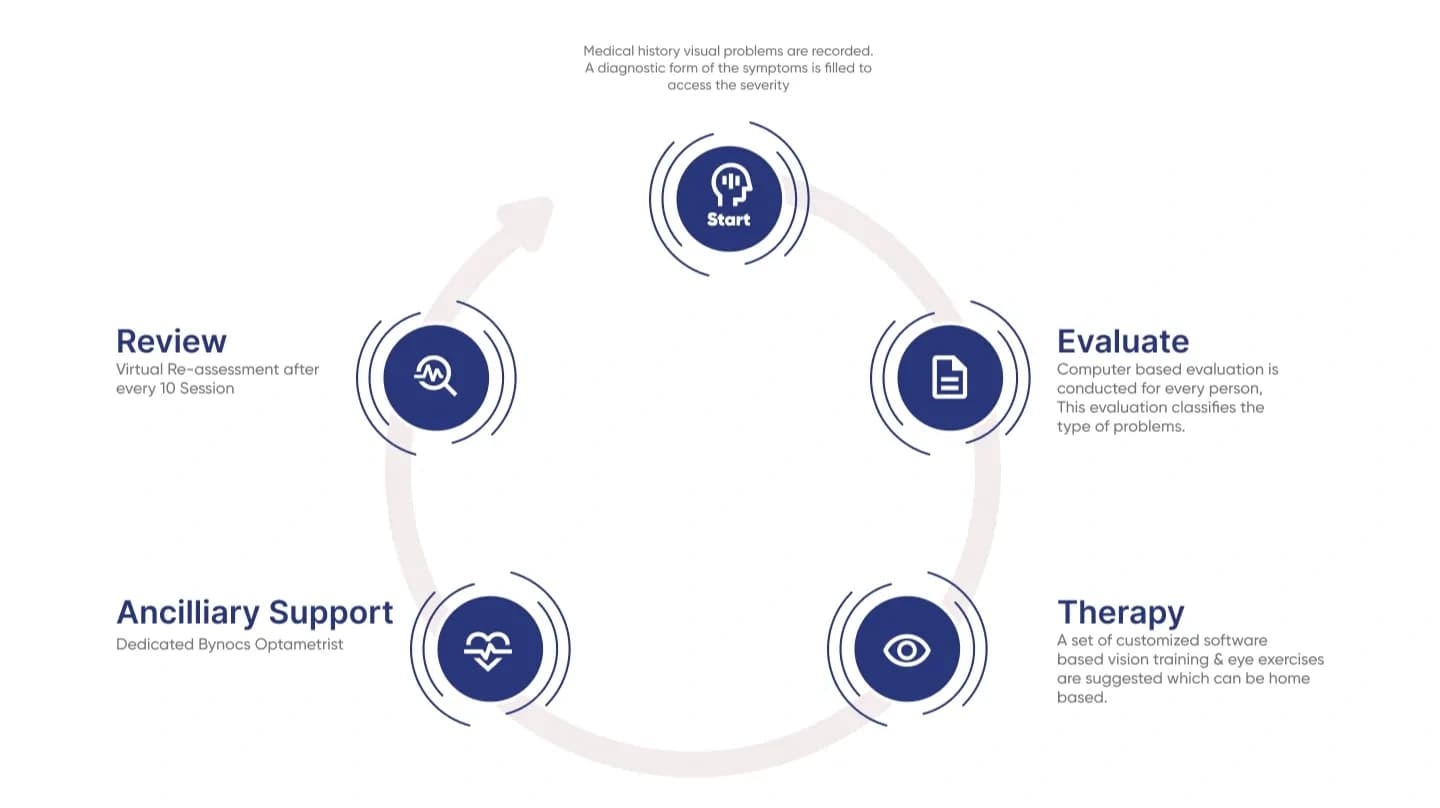
Assessment: Thorough examination by an optometrist.
-
Diagnostic: Computerised test using Bynocs software.
-
Personalisation: Individual plans, which may include vision therapy exercises for lazy eye.
-
Engagement: Fun sessions for 30 minutes a day. Learn how you can treat amblyopia at home under professional guidance.

Innovative Vision Therapy
Lazy Eye Treatment
Modern advances in lazy eye awareness, treatment, and care have made therapy more accessible. At last, there is lazy eye treatment for adults now that fits into a modern lifestyle. You can even use lazy eye exercises to improve sports performance.
Bynocs Process
Treatment of Anisometropic Amblyopia with a Dichoptic Digital Platform in Argentinian Children and Adults. Amblyopia (Lazy Eye). (https://www.researchgate.net/publication/380099097_Treatment_of_Anisometropic_Amblyopia_with_a_Dichoptic_Digital_Platform_in_Argentinian_Children_and_Adults) Accessed 01/05/2024.
Effectiveness in Pediatric Age group : Evaluation of the Efficacy of a New Dichoptic Digital Platform to Treat the Anisometropic and Isometropic Amblyopia: (https://www.researchgate.net/publication/361464064_Evaluation_of_the_Efficacy_of_a_New_Dichoptic_Digital_Platform_to_Treat_the_Anisometropic_and_Isometropic_Amblyopia) Accessed 01/05/2024.
Effectiveness of combined dichoptic therapy, binocular vision therapy, and part-time patching for the management of amblyopia in adults: (https://www.researchgate.net/publication/338325547_Effectiveness_of_combined_dichoptic_therapy_binocular_vision_therapy_and_part-time_patching_for_the_management_of_amblyopia_in_adults) Accessed 01/05/2024.
Effectiveness in all age groups : (https://www.researchgate.net/publication/380099097_Treatment_of_Anisometropic_Amblyopia_with_a_Dichoptic_Digital_Platform_in_Argentinian_Children_and_Adults) Accessed 01/05/2024.
Effectiveness in Adults: (https://www.escrs.org/eurotimes-articles/a-new-ground-breaking-treatment-for-amblyopia/ ) Accessed 01/05/2024.
Bynocs As Telehealth Software: BYNOCS®️1 – A Cloud-Based Indigenous Tele-Health Vision Therapy Software for the Assessment and Management of Binocular Vision Disorders: (https://www.researchgate.net/publication/344540800_BYNOCSR1_-_A_Cloud-Based_Indigenous_Tele-Health_Vision_Therapy_Software_for_the_Assessment_and_Management_of_Binocular_Vision_Disorders) Accessed 01/05/2024.
Digital visual training helps treat disorders associated with close work: (https://www.researchgate.net/publication/358443501_Digital_visual_training_helps_treat_disorders_associated_with_close_work) Accessed 01/05/2024.