
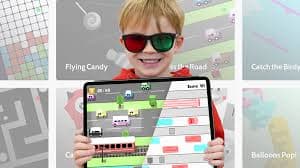
When your child’s eye doctor mentions “therapeutic games” as part of lazy eye treatment, skepticism is completely natural. After all, how can playing games actually fix a vision problem that seems so medical?
Here’s the truth many parents discover: vision therapy for lazy eye isn’t about ordinary video games. These are scientifically designed programs that train the brain-eye connection the actual root cause of amblyopia.
As parents who have navigated this journey ourselves, we understand your questions. We wondered the same things before learning why vision therapy games often work better than traditional patching.
The short answer? Yes, properly designed therapeutic games can genuinely improve your child’s vision. Let’s explore exactly how this works and what you can realistically expect.
The Science Behind Vision Therapy Games
Understanding why games work requires looking beyond the eyes themselves. Amblyopia treatment targets brain development, not just visual acuity.
How Vision Therapy Actually Works for Amblyopia
Lazy eye isn’t actually a “lazy” eye problem it’s a brain processing issue. The brain learns to favor one eye, essentially ignoring signals from the weaker eye.
Vision therapy for amblyopia works through neuroplasticity, your child’s brain’s natural ability to form new neural connections. When children engage with therapeutic games, they’re essentially rewiring how their brain processes visual information.
Unlike passive treatments that simply block the stronger eye, active game-based amblyopia treatment encourages both eyes to work together. This binocular approach often produces faster, more lasting results.
The games present carefully calibrated visual challenges that:
- Force the weaker eye to engage actively
- Train both eyes to coordinate
- Strengthen neural pathways for visual processing
Clinical Research Supporting Game-Based Treatment
This isn’t experimental medicine substantial research supports game-based lazy eye treatment.
Studies published in peer-reviewed journals like JAMA Ophthalmology demonstrate that dichoptic training (showing different images to each eye) significantly improves visual acuity in children with amblyopia.
Research from institutions including Johns Hopkins and the Retina Foundation shows:
- Children using therapeutic games improved 1-2 lines on eye charts within weeks
- Compliance rates far exceeded traditional patching
- Improvements often maintained long-term
Eye care professionals increasingly recommend these approaches because the evidence supports game-based methods as a legitimate lazy eye cure pathway especially when combined with professional oversight.
Explaining “Brain Training for Eyes” to Your Child
Getting your child excited about treatment dramatically improves outcomes. The secret? How you frame it matters enormously.
Simple Ways to Describe Vision Therapy
Children don’t need medical terminology they need concepts that make sense in their world.
Try these parent-tested explanations:
For ages 5-7:
“Your eyes are learning to be best friends! These games teach them to work as a team, like superheroes training together.”
For ages 8-12:
“Your brain and eyes are like a sports team that needs practice. These games are like training exercises that make your vision stronger.”
Avoid words like “weak eye” or “problem.” Instead, emphasize growth, training, and getting stronger concepts children naturally understand.
Building Excitement About Eye Exercises
Transform therapy from obligation into anticipation:
- Let your child choose their “training time” within acceptable windows
- Create a special “vision training station” they help design
- Use a progress chart where they track their own improvements
- Celebrate small wins: “Your eyes worked together for the whole game today!”
When children feel ownership over their vision therapy for lazy eye, compliance becomes natural rather than forced.
For more detailed strategies, explore our guide on explaining brain training for eyes to your child.
What Types of Vision Therapy Games Actually Work?
Not all games provide therapeutic value. Understanding the categories helps you recognize legitimate amblyopia treatment tools.
Dichoptic Training Games
These games represent the gold standard in vision therapy for amblyopia.
Dichoptic training shows different images to each eye simultaneously typically through special glasses or device settings. The brain must combine these images, forcing the weaker eye to participate actively.
Examples include:
- Puzzle games where each eye sees different pieces
- Action games requiring binocular coordination
- Interactive stories with split visual elements
This approach directly addresses the brain-based nature of lazy eye, rather than simply blocking vision.
Binocular Vision Training Activities
Beyond addressing amblyopia, these games improve depth perception and eye coordination.
Activities focus on:
- 3D perception exercises
- Convergence training (eyes moving inward together)
- Divergence activities (eyes moving outward together)
Children often notice real-world improvements catching balls becomes easier, reading feels more comfortable, and headaches decrease.
Contrast and Tracking Games
These exercises target visual processing speed and accuracy.
Effective games include:
- Moving target tracking at various speeds
- Pattern recognition with varying contrast levels
- Visual scanning activities
These differ significantly from commercial video games because difficulty levels, contrast ratios, and progression are specifically calibrated for therapeutic benefit not just entertainment.
Making Vision Therapy a Fun Daily Routine
Consistency determines success in lazy eye treatment. Making therapy enjoyable ensures your child actually completes sessions.
Creating a Consistent Therapy Schedule
Most vision therapy programs recommend 20-30 minutes of daily engagement. The key is finding sustainable timing:
Best practice approaches:
- Pair therapy with existing routines (after homework, before favorite TV show)
- Same time daily helps establish automatic habits
- Use visual schedules children can follow independently
- Set timers so sessions have clear start and end points
Morning sessions work well for some families; others find post-school timing optimal. Experiment during the first two weeks to discover your child’s best engagement window.
Keeping Children Engaged Long-Term
Initial excitement often fades. Maintain motivation through:
- Variety: Rotate between different approved games
- Progress visualization: Charts, stickers, or digital trackers they manage
- Milestone rewards: Small celebrations at therapy milestones
- Family involvement: Siblings can “train” alongside with general eye exercises
When vision therapy feels like special game time rather than medical treatment, long-term compliance becomes dramatically easier.
Discover more strategies in our complete guide on making vision therapy a fun daily routine.
Your Role as a Parent in Vision Therapy Success
Understanding your involvement level helps set realistic expectations from day one.
Daily Time Commitment Expectations
Parents typically need 15-30 minutes of daily involvement, though this varies by program and child age:
Active involvement includes:
- Setting up equipment or games
- Supervising younger children during sessions
- Troubleshooting technical issues
- Providing encouragement and tracking progress
As children progress:
- Older children (8+) often become increasingly independent
- Your role shifts from supervisor to supporter
- Check-ins become briefer but remain important
This commitment fits within normal family routines for most households. Lazy eye treatment through games typically requires less daily parent time than driving to multiple patching check-ups.
Supporting Without Overwhelming
Balance encouragement with pressure awareness:
- Praise effort, not just results
- Recognize frustration signs and offer short breaks
- Avoid comparing progress to other children
- Partner actively with your vision therapy provider
Your support matters but so does avoiding anxiety around treatment. Children perform better when therapy feels positive rather than stressful.
Learn more about balancing involvement in our article on parental involvement after eye treatment.
Real Results: What Improvement Looks Like
Setting realistic expectations prevents discouragement and helps you recognize genuine progress.
Timeline for Seeing Vision Changes
Vision therapy for amblyopia typically shows measurable improvements within:
- 2-4 weeks: Increased engagement time, fewer complaints
- 4-8 weeks: Observable improvements in eye coordination
- 8-16 weeks: Measurable visual acuity gains
- 4-6 months: Significant improvement for most children
Individual timelines vary based on:
- Severity of initial amblyopia
- Child’s age (younger brains often respond faster)
- Consistency of daily practice
- Underlying vision conditions
Patience matters. A legitimate lazy eye cure approach requires time for neural pathways to strengthen.
Measuring Your Child’s Progress
Track improvements through:
- Clinical measurements: Regular eye exams showing acuity gains
- Behavioral observations: Better reading, improved sports performance, fewer complaints
- Self-reporting: Children noticing their own improvement
- Game metrics: Progress tracking built into therapy programs
Celebrate milestones together. Each improvement reinforces that the effort is worthwhile.
Final Thoughts: Games as a Legitimate Lazy Eye Cure
So, can games really improve your child’s vision?
Absolutely when those games are scientifically designed for vision therapy. The evidence is clear: therapeutic games address amblyopia at its source, training the brain-eye connection through active, engaging participation.
Unlike traditional patching alone, vision therapy for lazy eye encourages binocular development. Children often find game-based amblyopia treatment more enjoyable, leading to better compliance and stronger results.
Success requires:
- Professionally recommended therapeutic games
- Consistent daily practice
- Patient parental support
- Regular professional monitoring
Your skepticism was valid. Now you have the information to make confident decisions about your child’s vision care.
Frequently Asked Questions
How long does vision therapy take to improve lazy eye?
Most children show measurable improvement within 8-16 weeks of consistent daily practice. Complete treatment programs typically run 4-6 months, though individual timelines vary based on amblyopia severity and compliance consistency.
Can my child play vision therapy games without supervision?
Children over age 8 can often complete sessions with minimal supervision after initial training. Younger children typically need active parent involvement. All children benefit from periodic check-ins regardless of age.
Are vision therapy games covered by insurance?
Coverage varies significantly by insurance provider and plan. Many vision insurance plans cover prescribed vision therapy. Contact your provider directly and request documentation from your eye care professional supporting medical necessity.
What age is best for starting vision therapy for amblyopia?
Earlier treatment generally produces better outcomes due to higher neuroplasticity in younger brains. However, research shows children up to age 17 (and even some adults) can achieve meaningful improvement. Consult your eye care professional for personalized recommendations.
Can vision therapy completely cure lazy eye?
Many children achieve normal or near-normal visual acuity through consistent vision therapy. Results depend on initial severity, treatment compliance, and individual factors. “Cure” means different things clinically significant, lasting improvement is the realistic and achievable goal for most children.