

For those of us who live and breathe the digital life, the familiar sting of eye strain, the screen-induced headaches, and the lingering blurriness are unwelcome opponents. We often assume that if our vision is 20/20, our eyes must be fine. Yet, the struggle against Computer Vision Syndrome (CVS) persists because, in the digital age, our eyes aren’t failing; they are simply exhausted. They lack the endurance to run the continuous, high-intensity marathon of sustained near work.
While therapeutic exercises are the scientifically proven path to rebuilding that stamina, the biggest hurdle to success has always been consistency. That is where gamified vision therapy enters the picture. By turning clinical treatment into an engaging, points-driven digital experience, gamification isn’t just a fun novelty; it’s a powerful engine for ensuring compliance, accelerating neurological change, and providing robust, long-term protection against the debilitating effects of digital eye strain. What truly makes this approach effective is that it is powered by modern software that actually works clinically designed, neuroscience-backed platforms that adapt in real time to a user’s performance, progressively challenge the visual system, and use structured feedback loops to stimulate neuroplastic change. Unlike generic eye exercise apps, these advanced systems are built around measurable outcomes, ensuring that the eyes and brain are trained together to improve focusing stamina, eye coordination, tracking accuracy, and sustained attention. We will explore how this modern approach fundamentally improves eye strength and why it represents the future of visual wellness.
1. The Real Enemy: Low Visual Stamina and Compliance Failure
To understand why gamification is so effective, we must first understand the true root of chronic digital eye strain. It often comes down to two issues:
A. The Functional Deficit
When we talk about “eye strength” in the context of CVS, we are focusing on two key functional visual skills:
- Accommodative Stamina: The ability of the ciliary muscle to maintain a crystal-clear focus on the monitor for hours without fatiguing or leading to painful spasms.
- Vergence Endurance (Eye Teaming): The precise motor skill required by the extraocular muscles to keep both eyes perfectly aligned on the screen target without drifting (convergence). If this skill is weak, the brain constantly strains to fuse two slightly different images, leading to chronic headaches.
These are like physical muscles; if they are weak, the workload of a digital job quickly exhausts them, causing the classic symptoms of Computer Vision Syndrome.
B. The Compliance Challenge in Traditional Therapy
Therapeutic exercises must be performed accurately and consistently, often daily, for several months, to achieve neuroplastic change. Historically, functional vision therapy used low-tech methods (like paper charts, beads, and fixed lenses) that were tedious, repetitive, and offered little positive feedback.
- The Vicious Cycle: Low motivation led to skipped sessions. Skipped sessions meant the eyes didn’t receive enough therapeutic “load” to strengthen, leading to poor outcomes. The patient felt the therapy failed, when in reality, the delivery system failed them.
2. Gamification: The Science of Engagement and Neuroplasticity The Most Effective Way to Reduce Computer Vision Syndrome in the Digital Age?
Gamification is the strategic application of game design elements points, levels, rewards, and competition to non-game tasks. When applied to neuro-adaptive vision therapy, it solves the compliance challenge by activating the brain’s natural reward circuits, making it arguably the most effective way to reduce Computer Vision Syndrome in the digital age.
A. Leveraging the Brain’s Motivation Center
The human brain is wired to respond to novelty, challenge, and immediate feedback. Gamified systems effectively leverage these drivers:
- Immediate Reinforcement: Unlike traditional homework that provided feedback days later at the clinic, digital games offer instant scores, sounds, and visual rewards for every correct therapeutic move. This immediate positive reinforcement strengthens the neural pathway being trained.
- Goal-Oriented Behavior: By packaging necessary convergence, divergence, and focusing tasks into specific ‘levels’ or ‘missions,’ the user shifts their focus from the monotony of “eye exercise” to the motivation of “beating the high score.” This psychological shift is incredibly powerful for sustained adherence.
B. Precision and Adaptivity
Modern vision therapy software excels where old methods struggled: in providing precise, individualized loads.
- Adaptive Difficulty: The best gamified systems use real-time tracking to adjust the challenge level. If the patient is struggling, the game eases up slightly; if they are performing well, the difficulty increases. This prevents plateaus and ensures the eyes are always trained at the edge of their current ability the optimal zone for strength building.
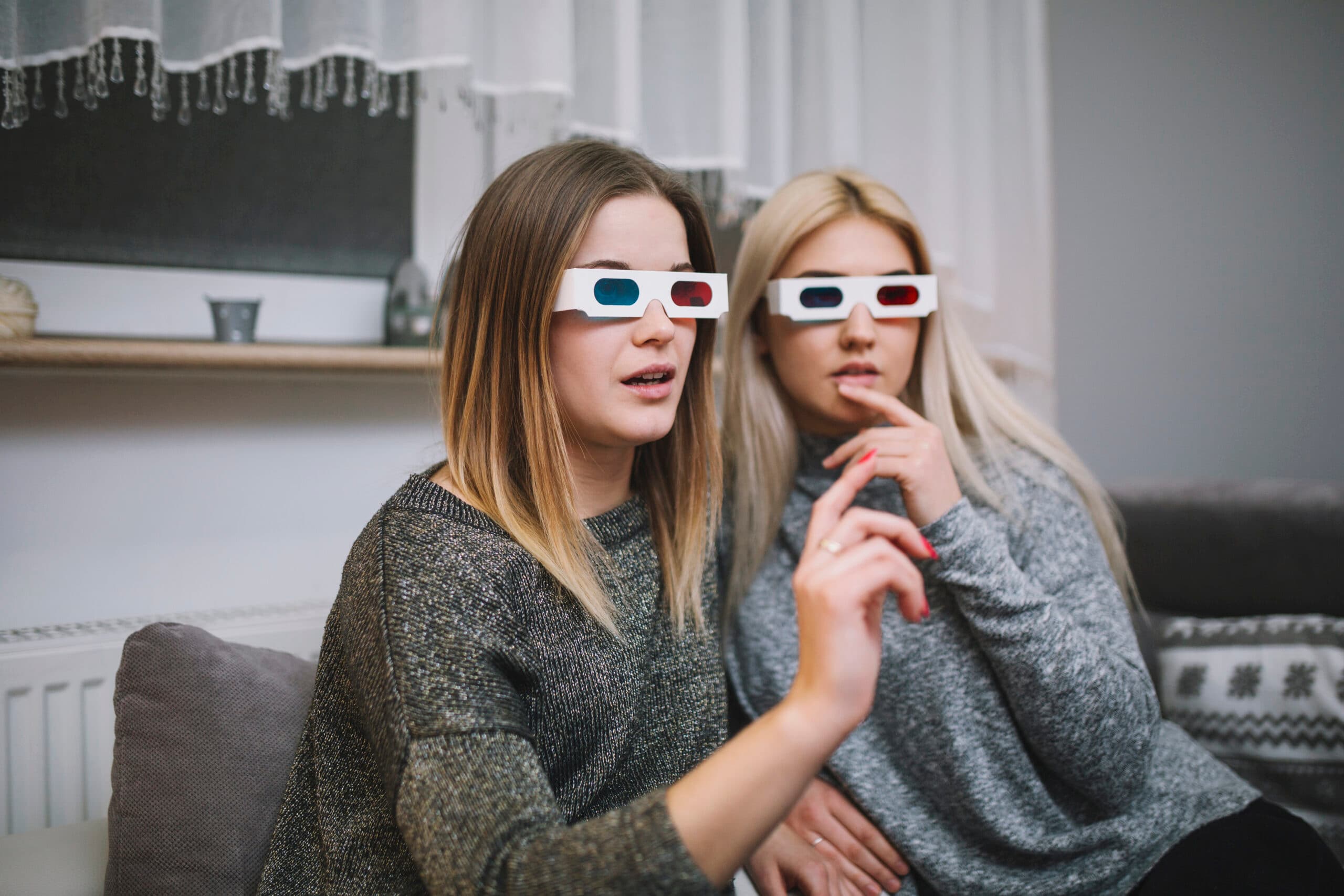
- Dichoptic Control: Most programs use specialized filters (like red/green or polarized lenses) to present separate images to each eye within the game environment. This dichoptic stimulation forces the brain to use both eyes simultaneously and correctly to succeed at the game, directly strengthening the crucial vergence mechanism.
3. Measurable Improvement: From Symptoms to Stamina
The primary goal of gamified vision therapy is to build visual endurance so robust that the digital workload no longer induces pain. This transition is marked by measurable clinical improvements.
A. Building Digital Resilience
Consistency, driven by gamification, allows the visual system to undergo genuine, measurable changes:
- Increased Vergence Range: The muscles gain the capacity to turn the eyes inward for near tasks and outward for rest with greater ease and for longer periods. This eliminates the struggle that causes frontal headaches.
- Improved Accommodative Facility: The ciliary muscle gains flexibility, allowing the user to switch focus from the screen to a distant object and back without the common ‘focusing lag’ that causes temporary blurriness.
This process is not passive; it is active physiological training. For chronic sufferers, understanding that the problem is a functional weakness not a lack of effort is the key to seeking the right solution.
Why You Need More Than Breaks: If you are a dedicated digital worker who diligently follows the 20-20-20 rule and uses lubricating drops, yet your headaches persist, your eyes likely have a foundational weakness that requires targeted exercise, not passive rest. Breaks provide momentary relief, but they do not build stamina. For a deeper analysis of why basic remedies are insufficient for functional deficits, explore our article: Still Not Getting Relief? Why the 20-20-20 Rule and Eye Drops May Not Solve Deeper CVS Problems.
B. Enhanced Visual Performance
The benefits of strengthening the core mechanics of vision extend far beyond reducing strain. They lead to an overall enhancement of visual performance:
Accuracy
- Functional Improvement via Training: Precise binocular fusion and improved target acquisition.
- Real-World Digital Advantage: Reading text appears sharper with reduced blurriness and ghosting, especially during prolonged screen use.
Speed
- Functional Improvement via Training: Faster accommodation (focusing ability) and improved saccadic eye movements (quick jumps between points).
- Real-World Digital Advantage: Smoother and quicker transitions between multiple monitors, documents, notes, or browser tabs.
Endurance
- Functional Improvement via Training: Sustained focusing capacity without muscular fatigue.
- Real-World Digital Advantage: The ability to work a full 8–10 hour day without the typical afternoon eye strain, headaches, or visual crash.
By optimizing these measurable metrics, the brain requires less cognitive energy just to ‘see’ clearly, freeing up resources for concentration and memory.
The Full Performance Picture: The training we’re discussing is a visual performance upgrade. You can dive deeper into the science behind these specific improvements and how building eye strength leads to better speed and endurance by reviewing: Can Modern Vision Therapy Software Improve Your Eye Strength and Overall Visual Performance?
4. The Integration Strategy: Making Therapy Work in the Real World
Gamified therapy provides the long-term solution, but it must be integrated with smart daily habits to maximize its effectiveness and prevent future relapse.
- Consistency is the Cure: The ease of use provided by gamification means patients can perform short, highly effective therapeutic sessions daily, maintaining the neurological gains achieved.
- Combining Active and Passive Defense: Vision therapy (active defense) must be paired with excellent habits (passive defense), such as consistent mindful blinking and ergonomic setup, to achieve total comfort. We explored the best daily habits in detail in our related guide.
Conclusion: Consistency is the Cure
Gamified vision therapy has fundamentally changed the landscape of functional eye care. By solving the age-old problem of compliance, it ensures that patients receive the high volume of accurate, targeted exercise needed to truly strengthen their visual system. This is the ultimate defense against chronic digital eye strain. If you are seeking lasting relief and a genuine improvement in your daily visual performance, moving toward this functional training is the most powerful step you can take.
Frequently Asked Questions
Q: Is gamified therapy less serious or clinical than traditional methods?
A: Not at all. Gamified therapy simply provides the mechanism of delivery. The underlying therapeutic principles, which are based on years of clinical research into vergence and accommodation training, remain the same. The “game” aspect is a user interface designed to maximize consistency and engagement, which ultimately drives better clinical results.
Q: Can I do this type of therapy on my regular home computer?
A: Yes, most modern neuro-adaptive therapy programs are designed to run on standard home computers, often utilizing specialized glasses (like red/cyan or polarized filters) that come with the program to ensure each eye is receiving the correct, individualized visual input.
Q: Does this therapy help improve reading comprehension?
A: For individuals whose reading struggles or difficulty concentrating stem from an underlying visual efficiency issue (like poor eye tracking or focusing stability), improving those core visual skills can lead to significant improvements in reading speed and comprehension, as the cognitive load of “seeing” is reduced.
Q: How long does it take for me to feel the difference?
A: Many users report subjective comfort improvements within the first few weeks of consistent training. Clinical milestones, however, typically require several months of adherence. The key is recognizing that you are building muscular endurance and rewiring neural pathways, which takes time and consistency.